Description
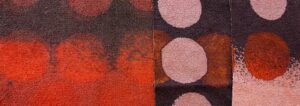
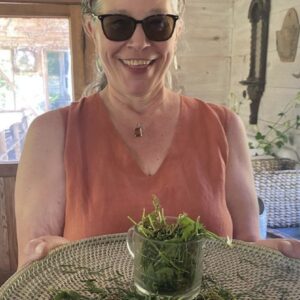
Join us at the Gardens for an inspiring exploration of natural dyes and pattern-making with renowned textile artist Elin Noble. Drawing on her deep knowledge of mordants and dyes, Elin will guide you through approachable techniques for creating richly layered, one-of-a-kind textiles.
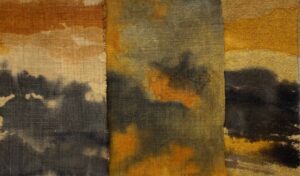
Working with natural cellulose or silk fabric of your choice, you’ll begin by painting or printing with a variety of mordants to establish your designs. On the second day, you’ll dye your prepared cloth in a range of beautiful colors, watching your patterns come to life.
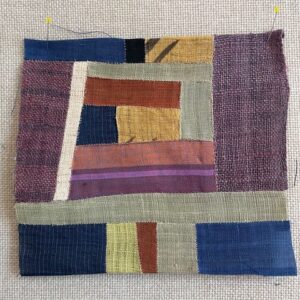
Your finished samples can later be incorporated into projects such as bojagi, quilts, or zipper pouches—though the primary focus is on expanding your creative toolkit and exploring the many possibilities of surface design.
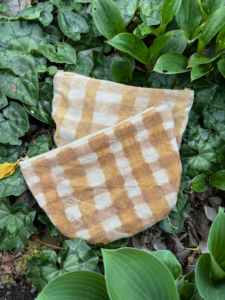
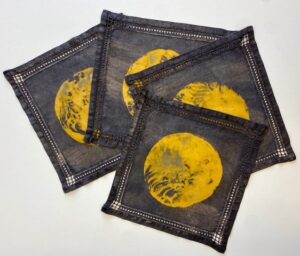
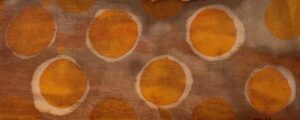
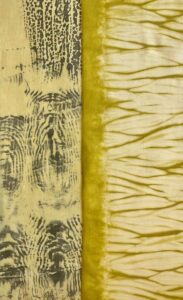
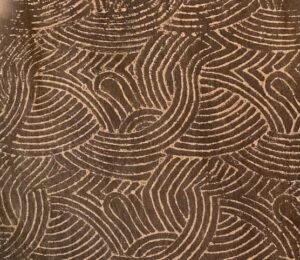
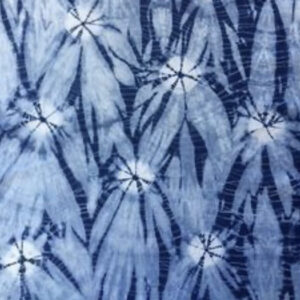
This workshop emphasizes the direct application of mordants on both cellulose fibers and silk through techniques like painting, printing, discharging, and overprinting. By working with three different mordants and thoughtfully controlling their placement and combinations, you’ll achieve complex, nuanced color and pattern effects.
The process invites both expressive mark-making and precise detail using tools such as brushes, stamps, monoprinting methods, and screen printing.
After the mordants are set, on day two we will dye the prepared cloth, revealing a striking range of colors and values.
With Elin’s guidance, you’ll avoid common pitfalls and gain confidence in your practice while learning from one of the field’s most respected artists.
Click here to find a printable PDF with the supply list and instructions. Note that your fabric will need to be prepared before coming to class.