Description
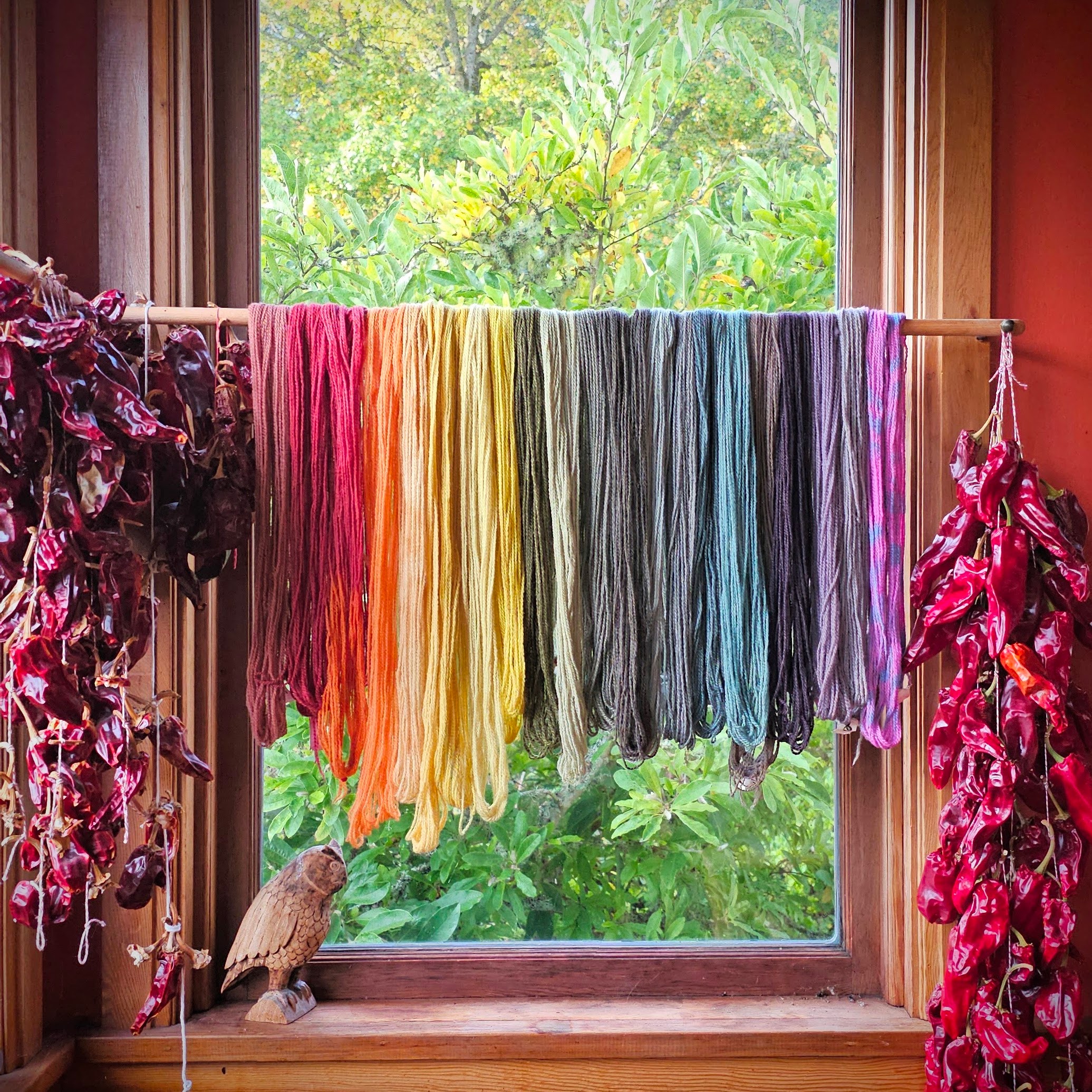
On Saturday morning, we will start by discussing the basics, including the history of mushroom and lichen dyeing, foraging safety, ethics, ecology, identification, fiber selection, mordants, modifiers, and garment care. We’ll then move on to dyeing our rainbow of samples! We’ll take our time noting the attributes of each chosen dye species, including the features of the mushroom, its unique ecology, how it reacts in the dye pot, and the optimal route to maximizing its dye potential. At the end of day one, you’ll have a beautiful regional rainbow of fungal colors.
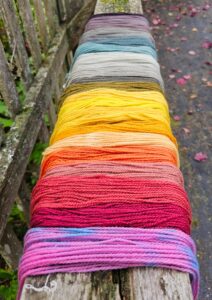
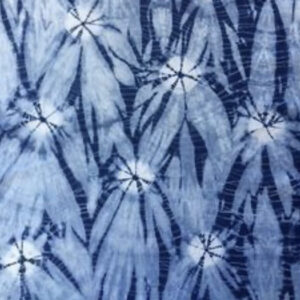
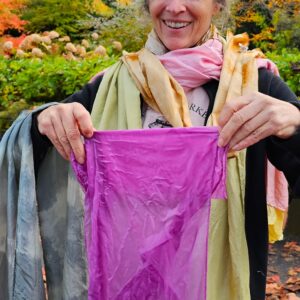
On Sunday, each participant will bring a selection of their preferred protein fiber for dyeing. Using abundant dye species, we’ll observe the subtle and bold differences brought about by fiber selection alone. While our fibers simmer, we’ll design and dye an airy silk scarf using a demonstrated resist technique.
By the end of the workshop, you’ll be able to carry on with your dye experimentation with confidence. You’ll have experience selecting fiber, testing, and maximizing the dye potential of the most optimal dye species groups; experience making larger dye vats and utilizing exhaust baths to achieve even more color variation.
At the end of the workshop, you’ll take home the following:
- Samples and recipes used in class
- A compact guidebook that outlines all the steps for working with fungal dyes
- A color guide to the best dye species in the area
- An elegant mushroom-dyed silk scarf for flair
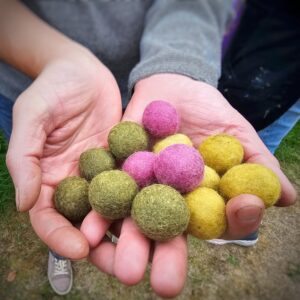
- Enough mushroom-dyed fiber for a small project
Add-ons: Special optional Field Study/Foray
($40 cash or Venmo — includes one or both offerings):
- Thursday, October 2nd, 1–4 pm: We’ll head into the forest to observe ecology in real time — examining microhabitats, looking for fungal clues, and reviewing ethical harvesting practices as we go. If the season cooperates, the woods will be full of dye fungi and we’ll fill our baskets for the next day.
- Saturday, October 3rd, dusk: Class wraps up at 4 pm — rest, recharge, and return at dusk for hot spiced cider and a foray into the night. Armed with UV lights and flashlights, we’ll search the garden grounds for glowing surprises. Some dye fungi show themselves best after dark.
Register for the walk by emailing Alissa Allen mycopigments@gmail.com